Shapewear fabrics explained: nylon, elastane, and powernet
The fabric composition listed on a shapewear label is one of the most useful pieces of information on the page, and one of the least read. Understanding what nylon, elastane, and powernet actually do in a garment helps you predict how it will feel, how it will hold up, and whether it will do what the product description claims.
Nylon and elastane: the base combination
Almost all shapewear is built on a nylon-elastane blend. Nylon provides structure, durability, and a smooth surface. Elastane (also sold under the brand name Lycra) provides stretch and recovery, meaning the fabric returns to its original shape after being stretched. The ratio between the two determines how the piece behaves.
A higher nylon percentage (75% and above) produces a firmer, more structured feel with less give. A higher elastane percentage (above 25%) produces a softer, more flexible garment that moves more easily with the body. Neither is inherently better; it depends on what you need the piece to do.
Powernet: what it is and why it matters
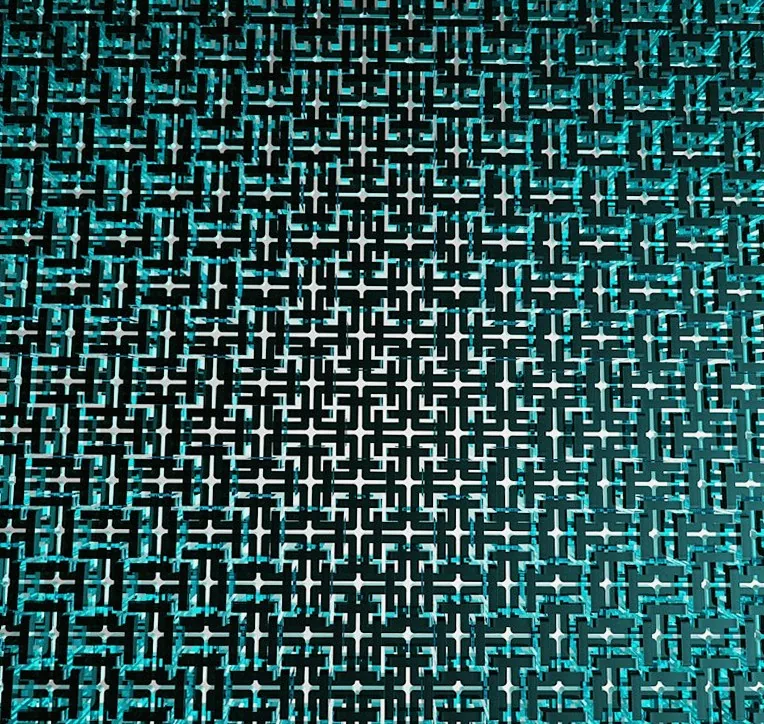
Powernet is a specific type of knit construction rather than a fibre type. It is an open-weave mesh made from nylon and elastane that provides compression while remaining breathable. The open structure allows air circulation, which is why powernet is used in the panels of bodysuits and cinchers that need to be worn for extended periods.
The compression grade of a powernet panel depends on the density of the weave and the elastane content. A denser weave with higher elastane produces firmer compression. When a product description says 'powernet panels', it is worth checking whether the whole garment is powernet or whether it is used only in specific areas, as this affects both the compression distribution and the breathability.
Bonded microfibre: smooth under clothing
Bonded microfibre is used in pieces designed to be invisible under fitted clothing. The bonding process fuses the fabric edges rather than stitching them, which eliminates the ridge that a sewn seam creates under a tight dress or trousers. The trade-off is breathability: bonded microfibre is less ventilated than powernet and is better suited to shorter wear periods or cooler conditions.
In the Alpine Star Meadow collection, bonded microfibre appears primarily in the waist cincher range, where the smooth outer surface is more important than maximum breathability.
Once you know what to look for in a fabric composition, the label becomes a useful tool rather than a formality. The fit notes on each product page in the collection include fabric details alongside the compression grade.